
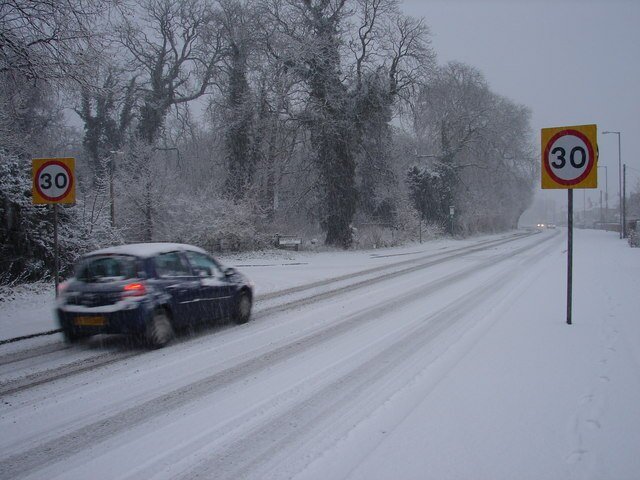
Snow and Ice Warnings Issued Across the UK
Severe winter weather is sweeping across the UK, with snow and icy conditions expected to impact travel in many areas. The weather has prompted warnings urging drivers to exercise caution on roads, particularly in regions affected by freezing temperatures and snowfall. Preparing in advance and staying informed about weather conditions can help ensure safety.
What to Carry When Driving in Snow and Ice
Traveling during snow and ice requires extra preparation. Here’s what you should pack in your car:
- Warm clothing: A coat, gloves, hat, boots, and a blanket for added warmth.
- Snacks and drinks: Non-perishable items like biscuits or chocolate, as well as water and a hot beverage, can keep you energized during delays.
- Safety tools: An ice scraper, shovel, and cat litter or old carpet pieces for traction if your car gets stuck.
- Emergency supplies: A fully charged mobile phone, essential medications, a flashlight, and a first-aid kit.
- Sunglasses: These help reduce snow glare in bright weather.
Stick to major roads, as they are more likely to be gritted, and avoid lesser-used routes that could be hazardous.
Prepare Your Car for Winter Conditions
Proper car maintenance is crucial for winter driving. Take these steps to ensure your vehicle is ready:
- Check tyres: Use winter tyres for better grip or ensure your regular tyres have at least 3mm tread.
- Keep the battery charged: Batteries drain more quickly in cold weather. Use a trickle charger or take longer drives to maintain charge.
- Top up screen wash: Use an anti-freeze solution to prevent ice build-up on your windscreen.
- Fuel up: Keep your tank at least half full to avoid running out during long delays or emergencies.
Prevent windscreen wipers from freezing by placing cardboard under them overnight, and always clear snow and ice from your car windows before starting your journey.
Driving Safely in Snow and Ice
Adopting the right driving techniques can reduce risks during snowy and icy conditions:
- Start in second gear in manual cars to prevent wheel spin. For automatics, check if there’s a winter mode.
- Drive steadily, avoiding sudden acceleration or braking. Stopping distances can be up to 10 times longer in icy weather.
- Maintain extra space between your car and others. This allows more time to react.
- Stick to clear lanes and follow existing tyre tracks where possible.
Always check that your lights are free of snow and in working order before setting off.
What to Do If Your Car Gets Stuck
If your vehicle becomes stuck in snow or ice, follow these steps:
- Clear snow from around tyres: Use a shovel to remove snow and sprinkle sand or cat litter to improve traction.
- Avoid spinning wheels: Shift gently between forward and reverse gears to help free your car.
- Stay near your vehicle: Heavy snowfall can disorient you. Attach a brightly colored cloth to your car for visibility.
- Run the engine sparingly: If needed, run the engine for short periods to stay warm, ensuring the exhaust pipe is clear to avoid toxic fumes.
Stay Safe During Winter Weather
Planning and preparation are vital for safe travel during snow and ice. Monitor weather updates, keep your vehicle winter-ready, and drive cautiously to minimize risks. With the right tools and techniques, you can navigate winter roads safely and confidently.