
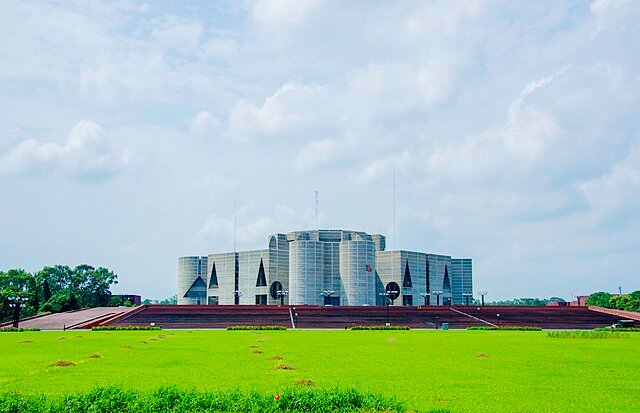
In the wake of the dramatic political developments in Bangladesh on July 5th, which saw the removal of Sheikh Hasina’s government, the country has been plunged into a state of heightened political tension. Reports suggest that foreign visitors are being targeted as part of efforts to “warm up” the political field, with various factions vying for control and influence in the volatile environment. The situation has drawn significant attention both domestically and internationally, particularly due to the involvement of neighboring India, the uncertain status of former Prime Minister Sheikh Hasina, recent comments by former U.S. President Donald Trump, and advisories from the UK Foreign, Commonwealth & Development Office (FCDO).
The Fall of Sheikh Hasina’s Government
On July 5th, Sheikh Hasina’s government was removed from power following widespread protests and political unrest. The exact circumstances surrounding her ouster remain contested, with some sources claiming it was a result of internal political maneuvering, while others point to public dissatisfaction with her administration. The removal of Hasina, a dominant figure in Bangladeshi politics for over a decade, has left a power vacuum that has yet to be filled decisively.
Sheikh Hasina’s Whereabouts and India’s Role
According to news sources in Bangladesh, Sheikh Hasina is currently staying in India under the protection of the Indian government. However, the Indian government has remained tight-lipped about her immigration status, refusing to disclose any details regarding her stay or the conditions under which she was granted refuge. This secrecy has fueled speculation about India’s role in the ongoing political crisis in Bangladesh.
India has historically maintained close ties with Sheikh Hasina’s government, particularly due to her pro-India stance and cooperation on issues such as security, trade, and regional stability. Her presence in India has raised questions about whether New Delhi is providing her with a platform to regroup and strategize her return to power. The lack of transparency from the Indian government has only added to the uncertainty surrounding the situation.
Current Government’s Response

The current interim government in Bangladesh, led by Professor Mohammed Yunus, has accused Sheikh Hasina of attempting to destabilize the country to regain her position. Yunus, a Nobel laureate and prominent figure in Bangladeshi civil society, has called for calm and urged the public to resist any attempts to incite violence or political unrest. His administration has emphasized the need for a peaceful transition and has vowed to hold free and fair elections to restore democratic governance.
However, the government’s claims that Sheikh Hasina is trying to “warm up” the political field have been met with mixed reactions. While some segments of the population support the interim government’s efforts to maintain stability, others view the allegations as politically motivated and aimed at discrediting Hasina and her supporters.
Student Protests and Public Sentiment
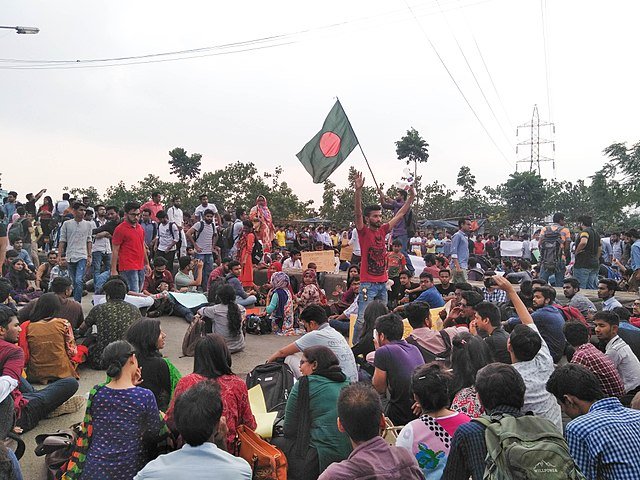
The political turmoil has galvanized students across Bangladesh, who have taken to the streets to protest against any attempts to destabilize the country. Student groups have been particularly vocal in their opposition to Sheikh Hasina, accusing her of corruption and authoritarianism during her tenure. They are deeply committed to preventing her from returning to power and are demanding a clean break from the past.
The student-led protests have added another layer of complexity to the political landscape, with young people playing a pivotal role in shaping the country’s future. Their activism reflects a broader desire for change and accountability among Bangladesh’s youth, who are determined to ensure that the country’s political trajectory aligns with their aspirations for democracy and transparency.
Donald Trump’s Statements on the Bangladesh Situation
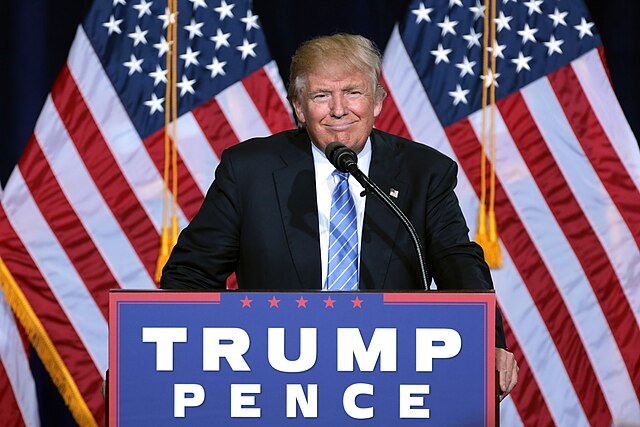
Former U.S. President Donald Trump, known for his outspoken views on international affairs, has recently weighed in on the political crisis in Bangladesh. In a statement released via his social media platform, Truth Social, Trump expressed concern over the instability in Bangladesh and criticized the Indian government for its handling of the situation.
Trump stated, “The situation in Bangladesh is very concerning. The removal of Sheikh Hasina’s government has created chaos, and it looks like India is playing a dangerous game by sheltering her. The people of Bangladesh deserve a fair and transparent government, not one influenced by external forces. The U.S. should be watching this closely and supporting the Bangladeshi people in their fight for democracy.”
Trump’s comments have added a new dimension to the international discourse surrounding the crisis. While some have welcomed his attention to the issue, others have criticized his remarks as oversimplifying a complex situation. Nonetheless, his statement has drawn global attention to the political developments in Bangladesh and raised questions about the role of external actors in the region.
UK Foreign, Commonwealth & Development Office (FCDO) Advisory
In light of the ongoing political instability and reports of foreign visitors being targeted, the UK Foreign, Commonwealth & Development Office (FCDO) has issued updated travel advice for Bangladesh. The FCDO has urged British nationals to exercise caution and remain vigilant while traveling in the country.
Key points from the FCDO advisory include:
- Avoiding Protests and Large Gatherings: The FCDO has warned that political demonstrations and protests can turn violent without warning. Foreign visitors are advised to steer clear of such gatherings.
- Increased Security Measures: Travelers are encouraged to stay informed about local developments and follow the advice of local authorities.
- Risk of Targeting: The FCDO has highlighted reports of foreign nationals being targeted amid the political unrest. Visitors are advised to maintain a low profile and avoid discussing sensitive political topics.
- Emergency Contacts: British nationals are reminded to register with the FCDO’s travel advice service and keep emergency contact details handy.
The FCDO’s advisory underscores the seriousness of the situation and reflects the international community’s growing concern over the safety and security of foreign visitors in Bangladesh.
International Implications
The political crisis in Bangladesh has significant implications for the region, particularly for India and the broader international community. As a key player in South Asian geopolitics, India’s handling of the situation will be closely watched by other nations. The Indian government’s decision to provide refuge to Sheikh Hasina, while keeping her status under wraps, has raised eyebrows and led to speculation about its long-term strategy in Bangladesh.
For now, the Indian government has maintained a cautious approach, refraining from making any public statements that could be interpreted as interference in Bangladesh’s internal affairs. However, its actions suggest a delicate balancing act between supporting a former ally and avoiding direct involvement in the country’s political turmoil.
The political situation in Bangladesh remains fluid and unpredictable, with foreign visitors reportedly being targeted as part of efforts to influence the country’s political direction. The presence of Sheikh Hasina in India, coupled with the interim government’s allegations of her attempts to destabilize the country, has further complicated the crisis. As students and other groups continue to protest, the future of Bangladesh’s political landscape hangs in the balance.
The response of the Indian government, as well as the actions of the interim administration led by Professor Mohammed Yunus, will play a crucial role in determining the outcome of this unfolding drama. Meanwhile, Donald Trump’s recent statements and the FCDO’s travel advisory have brought additional international scrutiny to the situation, highlighting the need for a peaceful and democratic resolution. For now, the people of Bangladesh are caught in the crossfire, hoping for a resolution that brings stability and democratic governance to their nation. Foreign visitors are advised to remain cautious and stay informed about the evolving situation.