
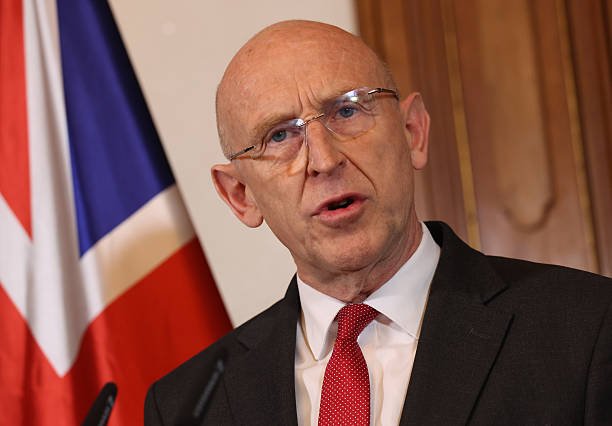
The UK will reach its defence spending target of 3% of GDP by 2034, Defence Secretary John Healey has confirmed, reinforcing the government’s long-term military funding commitment.
Healey told The Times there is “no doubt” the target will be met, enabling the country to prepare for evolving global threats.
Strategic Defence Review to Outline UK’s Military Vision
The government is set to publish its strategic defence review on Monday, detailing military and security priorities for the coming years.
Sources indicate the 130-page document assumes the 3% spending target as its base trajectory. The review outlines projects and investments that may be accelerated if the goal is reached earlier than 2034.
Officials warn, however, that certain measures will be unaffordable if spending does not meet the target.
Rising Threats from AI, Drones, and Geopolitical Tensions
The upcoming review will describe a “new era of threat” driven by artificial intelligence and drone warfare. It will call for the deployment of “digital” specialists alongside combat troops to defend against enemy tech and operate future unmanned systems.
The document will also highlight growing dangers from state and non-state actors. It will:
- Label Russia as an “immediate and pressing” danger
- Call China a “sophisticated and persistent challenge”, though not an enemy
- Refer to Iran and North Korea as “regional disruptors”
Long-Term Defence Funding Underpins Government Strategy
The defence review comes after Prime Minister Sir Keir Starmer pledged in February to increase defence spending to 2.5% of GDP by 2027, with a “clear ambition” to reach 3% by 2034—if economic conditions allow.
A government source told the BBC that Healey has “full confidence” the 3% goal will be met in the next parliament.
The Office for Budget Responsibility (OBR) has estimated that hitting the 3% mark would cost an additional £17.3 billion in 2029–30.
Investment in Military Housing Announced
Ahead of the review’s release, the Ministry of Defence confirmed £1.5 billion in extra funding for improving military accommodation.
Funds will go toward urgent repairs, including fixing boilers, tackling mould, and developing new homes. This comes after a Commons defence committee report found two-thirds of service family homes needed “extensive refurbishment or rebuilding.”
The Liberal Democrats welcomed the investment, saying the government had “finally come to their senses and listened.” However, the party urged ministers to go further by ensuring military homes meet the decent homes standard, which defines acceptable living conditions in social housing.
Budget Negotiations Ongoing Across Government
While the defence budget is gaining clarity, other departments are still in talks with the Treasury over future funding.
Deputy Prime Minister Angela Rayner has yet to finalise budgets for areas such as affordable housing and local government. The Home Office, responsible for policing and border security, remains in the early stages of its funding negotiations.