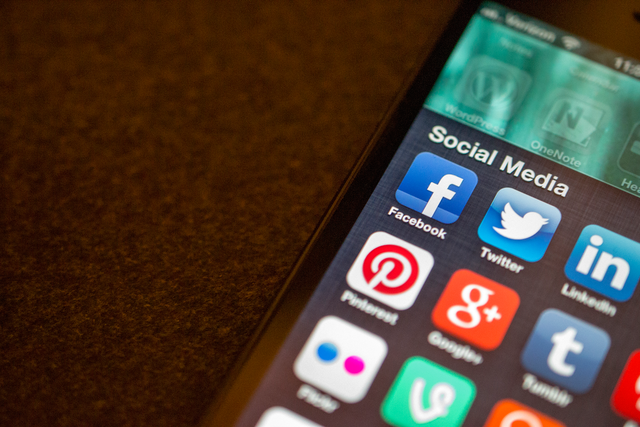
Social media has transformed the way we communicate, access news, and engage with society. While it offers immense benefits, it also poses significant challenges. As journalists, it is our responsibility to analyze its impact critically and ensure that information is shared ethically and accurately.
A Platform for Connection and Awareness
One of the greatest strengths of social media is its ability to connect people globally. It has allowed families and friends to stay in touch across distances, fostered communities around shared interests, and given a voice to marginalized groups. Activism has also thrived in the digital age, with movements like #MeToo and #BlackLivesMatter gaining momentum through social platforms, highlighting pressing social issues and mobilizing change.
For journalists, social media has become an indispensable tool. It enables real-time reporting, direct engagement with audiences, and access to on-the-ground perspectives that traditional media sometimes lacks. The speed and reach of social media have made it an essential medium for breaking news and public discourse.
The Rise of Misinformation and Fake News
Despite its advantages, social media has also become a breeding ground for misinformation. False narratives, conspiracy theories, and clickbait headlines spread rapidly, often outpacing fact-based journalism. This poses a significant threat to democracy, as misinformation can manipulate public opinion and influence political outcomes.
As journalists, combating fake news is a crucial responsibility. Fact-checking, verifying sources, and promoting media literacy are essential steps in ensuring that the public receives accurate and reliable information. However, social media algorithms often prioritize engagement over truth, making it increasingly difficult to counter misleading content.
The Mental Health Impact
Social media is not just shaping public discourse—it is also affecting mental well-being. Studies have linked excessive social media use to increased anxiety, depression, and low self-esteem, particularly among young users. The constant exposure to curated, often unrealistic portrayals of life creates social pressure and fuels feelings of inadequacy.
Journalists and content creators must be mindful of the narratives they promote. Encouraging digital well-being, promoting healthy social media habits, and highlighting the reality behind the filters can help mitigate the negative psychological effects of these platforms.
Privacy and Ethical Concerns
Another critical issue surrounding social media is privacy. Users willingly share vast amounts of personal data, often without fully understanding how it is used. Large tech companies collect and monetize this data, raising concerns about digital surveillance, identity theft, and targeted manipulation.
Governments and regulatory bodies are beginning to address these concerns through stricter data protection laws and increased scrutiny of tech giants. However, public awareness remains crucial. Users must take responsibility for their digital footprints, be cautious about the information they share, and advocate for better privacy protections.
Striking a Balance
Social media is a double-edged sword. While it has revolutionized communication and information sharing, it has also introduced serious risks that cannot be ignored. As journalists, we play a vital role in ensuring that the digital space remains a platform for truth, accountability, and constructive dialogue.
The challenge is not to reject social media outright but to use it responsibly. Ethical journalism, critical thinking, and regulatory measures can help balance its benefits and risks. Ultimately, the power of social media lies in how we choose to engage with it. By fostering a culture of responsibility and awareness, we can ensure that it remains a force for good rather than a tool for division.