
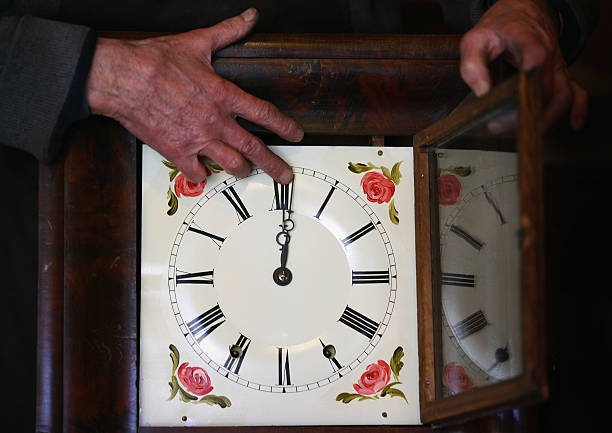
The UK will shift its clocks forward by one hour this Sunday, signaling the arrival of British Summer Time (BST) and marking the conclusion of Greenwich Mean Time (GMT). This seasonal adjustment brings extended daylight in the evenings as the country transitions into spring.
When Does the Time Change Occur?
At 1am on the last Sunday of March—this year, March 30—clocks will be moved an hour ahead. BST, commonly known as daylight saving time (DST), remains active until the final Sunday of October, when time will shift back by an hour.
Will This Make Days Longer?
Mornings will appear darker for a short period, but evenings will stay brighter as the sun sets later. As daylight hours continue to extend, some locations across the UK will experience nearly 19 hours of sunlight by June 21, the longest day of the year.
Why Do We Adjust the Clocks?
Before daylight saving time was introduced, GMT served as the UK’s standard time. Contrary to popular belief, the change was not implemented to benefit farmers—many actually found it disruptive, particularly in dairy farming, where livestock struggled with altered schedules.
William Willett, an English inventor, first proposed daylight saving time in 1907 in an effort to make better use of daylight. He suggested incremental time shifts in spring and autumn but did not live to see his idea come into effect. The UK officially adopted DST in 1916, following Germany’s lead during World War I.
Potential Advantages of the Time Shift
Dr. Jeffrey Kelu, a specialist in circadian rhythms at King’s College London, highlights several benefits of DST:
- Lower crime rates – Longer daylight hours make it more difficult for criminal activity to take place.
- Fewer road accidents – Extra evening light improves driving conditions.
- Greater efficiency – Increased daylight hours may enhance focus and productivity.
Are There Negative Effects?
Dr. Kelu notes that time changes disrupt the body’s internal clock, which can lead to sleep disturbances and health concerns. He explains:
“Our biological clock regulates many functions, including metabolism, and disturbances—even minor ones—can elevate the risk of conditions like diabetes and obesity.”
Many scientists and sleep researchers advocate for eliminating daylight saving time, arguing that its drawbacks outweigh its advantages.
How to Adapt to the Time Change
Dr. Kelu suggests gradual adjustments to bedtime in the lead-up to the shift:
- Move your bedtime 15–30 minutes earlier each night.
- Limit exposure to electronic screens before sleep.
- Spend time in natural morning light to help your body adapt.
Should Daylight Saving Time Be Abandoned?
According to a recent YouGov survey, 59% of UK residents would prefer a permanent BST if seasonal clock changes were abolished. Labour MP Alex Mayer has pushed for a review of the system, suggesting a return to “Churchill Time,” a wartime measure that kept clocks one hour ahead in winter and two hours ahead in summer.
Supporters claim this could reduce electricity costs by £485 million annually and cut carbon emissions by over 400,000 tonnes.
Although no immediate changes are planned in the UK, similar debates continue in Europe and the United States. Former US President Donald Trump expressed support for scrapping DST, with his secretary of state Marco Rubio criticizing the biannual clock change as unnecessary.
For now, Britons should prepare to lose an hour of sleep this weekend but can look forward to longer, brighter evenings in the months ahead.