
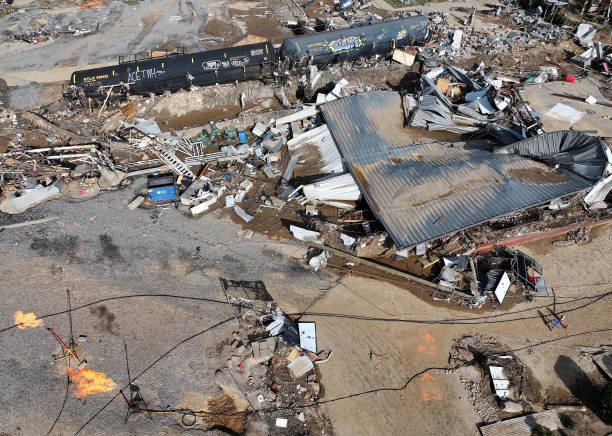
Hurricane Helene has highlighted a critical vulnerability in the semiconductor supply chain, as flooding at quartz mines in North Carolina has disrupted the production of ultra-pure quartz, a key material for chip manufacturing. The storm, the deadliest to hit the U.S. since Hurricane Katrina in 2005, submerged the town of Spruce Pine, which is responsible for up to 90% of the world’s ultra-pure quartz. This rare mineral is essential for making the crucibles used to produce high-grade silicon, a fundamental component in semiconductors.
A prolonged disruption could impact the production of electronics, including smartphones, computers, and solar panels, at a time when demand for advanced chips—especially for AI servers—is already exceeding supply. While other regions, like Russia, Brazil, India, and China, produce some high-purity quartz, none match the quality, quantity, or accessibility of Spruce Pine’s supply, according to Vince Beiser, author of The World in a Grain.
Sibelco, the mining company operating the largest quartz facility in Spruce Pine, reported that the area suffered significant flooding, power outages, and damage to infrastructure, prompting a halt in operations on September 26. Despite this, the company said recovery efforts have made “significant progress” and initial assessments show only minor damage to their facilities.
Meanwhile, The Quartz Corporation, another major miner in the area, stated that it was too early to determine when production would resume, though they remain confident in avoiding major supply disruptions.
Spruce Pine is the only known source of quartz pure enough to produce the crucibles needed for semiconductor-grade silicon, which is vital to the $600 billion semiconductor industry. The quartz must be 99.999% pure to avoid contamination during the manufacturing process.
Vince Beiser predicted a short-term supply crunch that could drive up prices due to both mine and transport infrastructure damage. However, chip consultancy SemiAnalysis estimates that major silicon wafer manufacturers, including GlobalWafers, Siltronic, and Sumco, have inventories that could last 3 to 8 months, providing some buffer against immediate disruption.
Still, Ed Conway, author of Material World, believes it may take many months for the region’s quartz mining operations to fully recover, stressing how incidents like this expose the fragility of the economic systems we often take for granted.