

In a surprising turn of events, Reform UK has gained significant ground in England’s recent local elections, positioning itself as a major challenger to traditional political powerhouses. With Reform UK Local Elections securing 677 out of the 1,600 contested seats on Thursday, the party has proven itself a formidable opponent to the Conservative Party and Labour. Reform UK took control of several councils, including key former Conservative strongholds like Kent and Staffordshire.
Key Victories for Reform UK in Local Elections
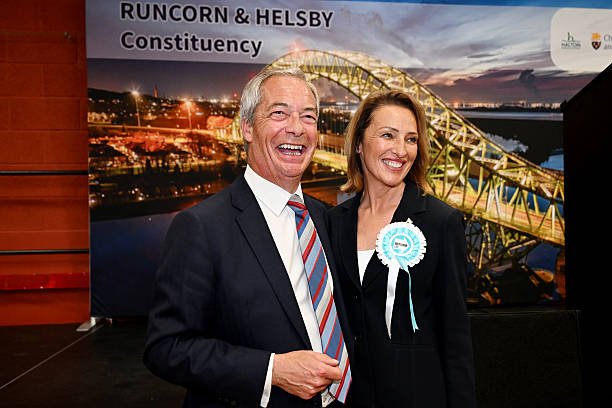
Reform UK’s remarkable success doesn’t end there. The party also gained control of Doncaster—previously defended by Labour—and Durham, which was held by the Labour Party as the largest governing body. In an even more stunning achievement, Reform UK claimed victory in Runcorn and Helsby, defeating Labour after winning a narrow Westminster by-election. With these results, Reform UK has effectively disrupted the traditional political order in the UK.
Focus on Local Councils: Reform UK’s Local Election Strategy
Nigel Farage, leader of Reform UK, hailed these results as a decisive moment for the party, suggesting that Reform UK had now surpassed the Conservatives to become the leading opposition to Labour’s government. With these local elections marking the first major political test since Labour’s sweeping victory in the 2024 general election, the outcome has significant implications for the future of UK politics.
The Political Landscape: A Major Shift for the UK
The results of the local elections, held in 23 councils predominantly in rural and suburban areas of England, indicate a deep fragmentation in the political landscape. Reform UK Local Elections results were especially impactful given that the Conservative Party was defending the most seats. The Tories, who were anticipating losses, experienced worse-than-expected results, losing over 676 seats and the control of all 16 councils they were defending.
For the first time, the combined vote share of the Conservative and Labour parties dipped below 50%. This shift signals a potential realignment in the UK’s political scene, with the rise of Reform UK making it a major player in future general elections.
A Breakdown of Results: Which Councils Did Reform UK Win?
Reform UK secured control of several key councils, particularly in areas once dominated by the Conservatives. Some of the most notable wins included Kent, Staffordshire, and Doncaster. The party also made strides in other areas, demonstrating significant electoral appeal.
In a statement following the results, Farage claimed these victories marked the start of a new political chapter for the UK, where Reform UK is positioned as a legitimate challenge to Labour’s growing dominance.