
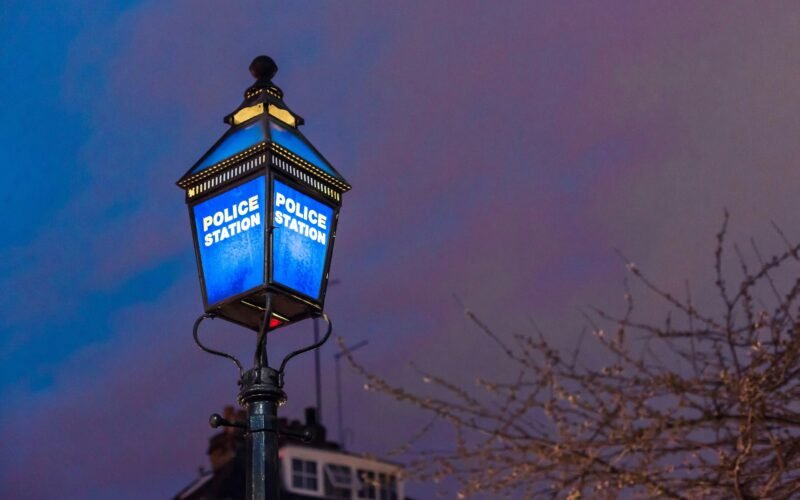
The UK police force is undergoing one of its most significant transformations in decades, driven by government-led reforms, technological advancements, and ambitious recruitment drives. As of September 2026, forces across England, Wales, Scotland, and Northern Ireland are adapting to a new national model, integrating cutting-edge tools, and addressing workforce challenges. This article explores the latest developments, upcoming events, and future priorities shaping British policing in 2026.
The UK government has introduced sweeping reforms to address inefficiencies and improve accountability. In January 2026, a Police Reform White Paper was published, outlining plans to establish a National Police Service to handle complex and serious crimes, including organised crime and major fraud. This new body, often dubbed “Britain’s FBI,” aims to centralise resources and expertise while maintaining local policing capabilities.
Key reforms include:
- National targets and minimum standards to ensure consistent performance across forces.
- Licensing for police officers to uphold professional standards.
- Naming and shaming poorly performing forces to drive improvement.
These changes respond to public concerns over rising crime and declining officer numbers, with the government committing to a 3.5% pay rise for officers in 2026/27 to support recruitment and retention.
Technology is becoming a cornerstone of policing strategy, enabling forces to operate more efficiently and effectively. In 2026, AI tools are being introduced to automate administrative tasks, allowing officers to focus on frontline duties. Real-time data sharing and predictive analytics are also being rolled out to improve response times and crime prevention.
Notable technological upgrades include:
- Facial recognition expansion: The Home Office has funded 40 additional Live Facial Recognition (LFR) vans, bringing the total to 50 nationwide, to assist in identifying suspects.
- A new Policing AI Threat Hub to combat AI-enabled crimes, such as deepfake intimate images.
- Hybrid cloud services and cybersecurity solutions to modernise police IT infrastructure.
These innovations aim to bridge the gap between local policing and national capabilities, ensuring forces are equipped to tackle evolving threats.
Despite reforms, the UK police force continues to face workforce shortages, with over 500 fewer officers in post as of March 2026 compared to the previous year. To address this, a national recruitment campaign, “Find your purpose. Where you thrive,” was launched in February 2026, encouraging new recruits to join the force and learn skills for both current and future roles.
Key recruitment initiatives include:
- Targeting 20,000 new officers to bolster police numbers.
- Localised campaigns, such as those by Police Scotland and the Metropolitan Police, using TV, radio, and digital advertising to attract diverse candidates.
- Special constable and volunteer recruitment drives, particularly in Northern Ireland.
Efforts are also underway to improve workplace culture and inclusion, with a 2025–2030 strategy focusing on diversity, wellbeing, and professional development.
The UK police force in 2026 stands at a crossroads, balancing reform, technology, and recruitment to meet the demands of modern policing. With a new National Police Service, AI-driven tools, and targeted recruitment campaigns, the sector is evolving to become more efficient, accountable, and resilient. However, challenges remain, particularly in workforce retention and performance consistency.
Forces that embrace innovation, prioritise officer wellbeing, and maintain public trust will be best positioned to succeed in this transformative year. As the government and policing leaders continue to implement reforms, the focus remains on building a safer, more responsive police service for all communities.