
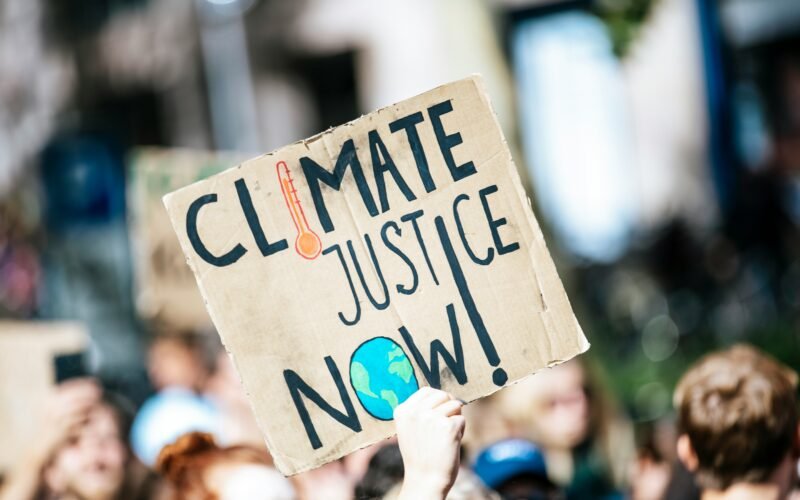
The global climate community is currently converging in New York City for Climate Week 2026, a pivotal event that underscores the urgent need for coordinated action as the planet faces unprecedented environmental challenges. Running from September 20 to 27, 2026, this week-long gathering mobilizes over 1,000 affiliated events, bringing together global climate professionals, policymakers, and business leaders to address the pressing issues of energy, impact, and collective action. The timing of this summit is critical, as 2026 has already been marked by a succession of stark reminders of a changing climate, ranging from deadly floods in the Himalayas to extreme heatwaves across Europe.
The backdrop to this year’s Climate Week is a world grappling with the consequences of a “super-El Niño” phenomenon, which has driven August to become the joint-hottest month on record. In the UK alone, the summer of 2026 was the hottest ever recorded, featuring five widespread heatwaves and 40 days of temperatures exceeding 30 degrees Celsius. These extreme weather events are not isolated incidents but part of a broader pattern that has seen global temperatures set to cross the critical 1.5°C threshold above pre-industrial levels, a warning issued by the UN Environment Programme (UNEP) in early September. This potential “overshoot” of the Paris Agreement’s primary target has intensified the focus at Climate Week on adaptation strategies alongside mitigation efforts.
A significant theme emerging from the current sustainability landscape is the shift from ambition to execution. In 2026, sustainability is no longer just about setting net-zero goals but about delivering tangible commercial benefits and resilience. This pragmatic approach is reflected in the growing demand for nature-related disclosures, with the TNFD Status Report 2026 indicating that such disclosures have more than doubled to over 1,000 organizations. This surge in reporting is driven by the need to understand and mitigate the risks associated with biodiversity loss and environmental degradation, which are increasingly linked to economic instability.
The intersection of technology and sustainability is also taking center stage, with artificial intelligence receiving its own dedicated theme at Climate Week NYC 2026. Conversations are focusing on sustainable data center development, energy supply and demand, and infrastructure innovation, highlighting the environmental impacts of the AI boom. As countries tighten rules on data centers to manage their energy consumption, the dialogue is shifting towards how digital infrastructure can be powered by renewable energy sources without exacerbating the very climate crisis it aims to help solve.
Furthermore, the global response to climate change is being shaped by significant policy developments. The World Trade Organization’s dispute body recently agreed to a panel request from Russia regarding the EU’s carbon border levy, highlighting the growing tensions and complexities in international climate trade policies. Simultaneously, the UN Secretary-General convened leaders from government, business, and finance on September 23, 2026, to discuss unified strategies for decarbonisation and climate resilience. These high-level engagements are crucial for creating a coherent global framework that supports both developed and developing nations in their transition to a low-carbon economy.
The urgency of the situation is further compounded by emerging scientific findings, such as the discovery that global warming is breaking a 400-year climate link between two major oceans, potentially altering global weather patterns in unpredictable ways. Additionally, researchers have identified “flash energy droughts” where rapid drops in wind and solar resources are becoming more frequent due to climate change, challenging the reliability of renewable energy grids. These findings underscore the need for diversified and resilient energy systems, a key topic of discussion at the current Climate Week.
As the world watches the unfolding events at Climate Week NYC, the message is clear: the window for limiting global warming to 1.5°C is narrowing, but action is still possible. The focus is now on limiting, adapting to, and returning from higher temperatures through a combination of technological innovation, policy reform, and corporate accountability. The coming weeks will likely see new commitments and partnerships announced, offering hope that collective action can still mitigate the worst impacts of climate change.
The convergence of extreme weather events, scientific breakthroughs, and high-level political engagement makes Climate Week 2026 a defining moment for global sustainability. It serves as a reminder that while the challenges are immense, the tools and knowledge to address them exist. The success of these efforts will depend on the willingness of governments, businesses, and individuals to translate ambition into immediate, impactful action.
In the face of record-breaking heat and environmental uncertainty, the global community is rallying to forge a path forward. The discussions at Climate Week NYC 2026 are not just about policy and technology but about survival and sustainability for future generations. The decisions made and commitments forged this week will shape the trajectory of global climate action for years to come, emphasizing the need for unity, innovation, and unwavering commitment to our planet’s health.
As we navigate this critical period, the lessons from 2026’s environmental challenges are becoming increasingly clear. The integration of sustainability into core business strategies, the adoption of nature-related disclosures, and the sustainable development of new technologies are no longer optional but essential for resilience. The global community is at a crossroads, and the actions taken during this Climate Week will determine whether we can secure a habitable and thriving planet for all.
The ongoing efforts to combat climate change, from reducing emissions to enhancing carbon removal capabilities, reflect a growing recognition of the need for comprehensive solutions. Public support for carbon removal is growing, particularly when communities have a say in the benefits, indicating a shift in public perception towards proactive climate interventions. This societal shift is crucial for driving the large-scale investments and policy changes required to meet global climate goals.
In conclusion, Climate Week 2026 in New York City stands as a beacon of hope and a call to action. Amidst the backdrop of record-breaking heat and environmental disruption, it offers a platform for collaboration and innovation. The events of this week highlight the urgency of the climate crisis but also demonstrate the capacity for human ingenuity and cooperation to address it. The path ahead is challenging, but with sustained effort and global unity, a sustainable future remains within reach.