

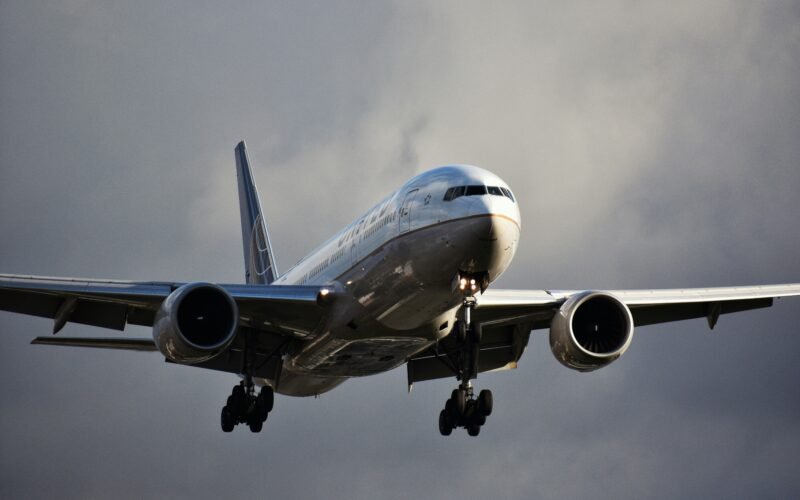
Boeing has taken another significant step in its recovery by opening a fourth final assembly line for its bestselling 737 MAX aircraft, expanding production capacity as the company works to meet strong global demand for new passenger jets while rebuilding confidence following several years of manufacturing and regulatory challenges.
The new production line, known internally as the North Line, has begun operations at Boeing’s Everett, Washington, facility, marking the first time the 737 MAX has been assembled outside the company’s historic Renton factory. According to Reuters, the expansion forms part of Boeing’s long-term strategy to substantially increase production of its single-aisle aircraft family as airlines continue placing large orders amid a worldwide shortage of new commercial aircraft.
The Everett factory, best known for producing wide-body aircraft such as the 747, 767, 777 and 787, has available manufacturing space following the end of 747 production and the consolidation of some wide-body operations. Boeing has now repurposed part of the enormous facility to accommodate additional 737 MAX assembly, allowing the company to increase future output without expanding its existing Renton site.
According to Reuters, the new line mirrors the three existing 737 MAX final assembly lines in Renton. While its activation will not immediately increase monthly production, it is expected to support Boeing’s objective of raising output from approximately 42 aircraft per month to 52 by early 2027, provided regulatory approvals and supply-chain performance continue to improve.
The investment reflects the continuing strength of demand for single-aisle aircraft, which remain the backbone of short- and medium-haul airline operations around the world. Airlines are seeking hundreds of new fuel-efficient aircraft to replace older fleets while accommodating growing passenger numbers, leaving both Boeing and European rival Airbus with order backlogs stretching several years into the future.
According to Investors’ Business Daily, Boeing currently has a commercial aircraft backlog valued at roughly $695 billion, including more than 6,100 aircraft on order. The publication reported that increasing production is considered essential if Boeing is to reduce delivery waiting times and strengthen its financial recovery after years of disruption caused by the COVID-19 pandemic, certification delays and manufacturing setbacks.
The 737 MAX has experienced one of the most turbulent histories of any modern commercial airliner. Two fatal accidents involving the aircraft in 2018 and 2019 resulted in a worldwide grounding lasting nearly two years, prompting sweeping design changes, regulatory reforms and more intensive oversight of Boeing’s manufacturing processes.
More recently, production again came under intense scrutiny after a door-plug panel detached from an Alaska Airlines 737 MAX 9 shortly after take-off in January 2024. That incident prompted the U.S. Federal Aviation Administration to impose stricter oversight of Boeing’s manufacturing system and cap production increases until the company demonstrated sustained improvements in quality control.
According to Reuters, the FAA’s production restrictions remain an important consideration as Boeing seeks to increase output. Although the North Line provides additional manufacturing capacity, any future production increases will continue to depend on regulatory approval as well as Boeing’s ability to maintain consistent quality standards across all assembly lines.
Company executives have repeatedly stressed that production growth will not come at the expense of safety or manufacturing quality. Boeing has spent the past two years implementing extensive changes to inspection procedures, employee training and factory processes while working closely with regulators to address concerns raised during recent investigations.
The Everett expansion also reflects Boeing’s broader effort to improve manufacturing flexibility. Producing 737 MAX aircraft at two separate facilities gives the company additional capacity to respond to fluctuations in customer demand while making more efficient use of existing factory space and workforce expertise.
According to Aviation Week, the decision to establish the North Line followed months of planning aimed at ensuring the new production system would replicate the manufacturing processes already used successfully in Renton. Engineers focused on maintaining identical production standards across both sites so that aircraft assembled in Everett would meet the same quality and certification requirements as those produced on the original assembly lines.
Industry analysts say the additional assembly line could prove particularly important as Boeing prepares for future certification of the remaining 737 MAX variants. The company continues working toward regulatory approval for the MAX 7 and MAX 10, the only two members of the MAX family that have yet to enter commercial service. Their eventual certification is expected to generate additional production demand from major airline customers.
According to Investors’ Business Daily, Boeing’s target is to reach a monthly production rate of 47 aircraft before increasing to 52 during early 2027. Achieving those milestones would represent one of the company’s strongest production recoveries in years while helping narrow the gap with Airbus, which has also been increasing output of its competing A320neo family.
The expansion comes at a time when airlines continue facing extended delivery delays due to supply-chain constraints affecting manufacturers across the aerospace sector. Engine shortages, component availability and labour challenges have limited production throughout the industry, making every increase in manufacturing capacity particularly significant.
For Boeing, the successful operation of the North Line represents more than simply opening another factory. It serves as a visible demonstration of the company’s efforts to restore stable production after years of operational difficulties while responding to unprecedented demand for fuel-efficient narrow-body aircraft.
According to Reuters, Boeing is already studying even higher long-term production rates beyond 52 aircraft per month, with internal evaluations considering the possibility of eventually reaching around 70 737 MAX jets each month if market conditions, supplier performance and regulatory approvals allow. While those ambitions remain several years away, they illustrate the company’s confidence in the long-term strength of the commercial aviation market.
As the first aircraft begin moving through the Everett production line, the aerospace manufacturer faces the challenge of balancing increased output with the rigorous quality standards demanded by regulators, airlines and passengers alike. If Boeing succeeds, the North Line could play a central role in the company’s recovery, enabling it to deliver more aircraft, reduce its substantial order backlog and strengthen its position in one of the world’s most competitive aerospace markets.